
Greece
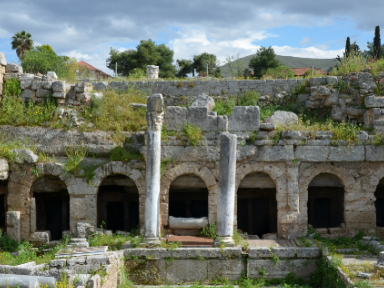
The Fountain of Peirene
Part of the ancient Greek fountain at Corinth, the Fountain of Peirene was believed to be a sacred spring created by Pegasus striking the ground with his hoof. Revered by poets, it supplied water to the ancient city and was richly decorated during the Roman era.
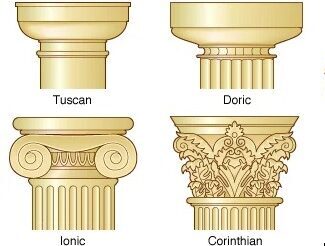
Greek Capitals
The ancient types of Greek capitals that can be found across the Mediterranean, including Israel. It’s always good to keep your eye open for them.
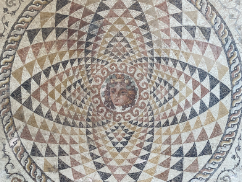
A Roman Mosaic
This image is an ancient Roman mosaic, likely from a floor, featuring a geometric pattern composed of interlocking triangles creating an optical illusion effect. At the very center is a depiction of a mythological figure—likely Medusa or a Gorgon—surrounded by swirling motifs.
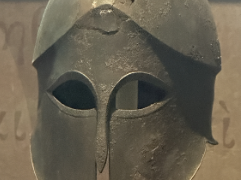
A Greek Helmet
A Greek soldier’s helmet. Apparently these were made to measure and each soldier had to have his own helmet made to fit his head.
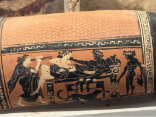
Greek Pottery
The coloring of this Greek pottery is very similar to that of Philistine Bichrome pottery, which is one of the reasons scholars believe that the Philistines originated from Greece (or that region, at least).
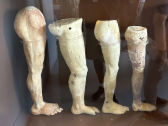
Greek Prosthetics
A selection of prosthetic limbs from Corinth, Greece. Surprising to think that they had this kind of technology so long ago.
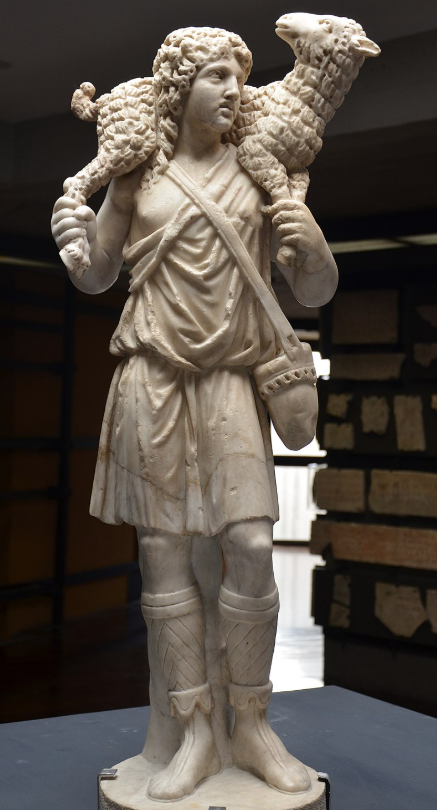
Statuette of the Good Shepherd
The ancient Greek image of a man carrying a lamb for sacrifice. This picture seems to have been reappropriated to reflect Jesus returning with the lost sheep.

The Erastus Inscription
The famous Erastus inscription, “…Erastus the chamberlain of the city salutes you,…” (Rom 16:23). Located in Corinth, Greece, the text reads, “Erastus…bore the expense of this pavement.” The inscription seems to testify to the existence of this biblical figure mentioned in Romans.
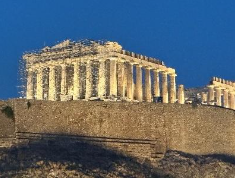
The Parthenon
The Parthenon, a famous ancient temple located on the Acropolis in Athens, Greece. It was built in the 5th century BCE during the Golden Age of Athens under the leadership of Pericles.
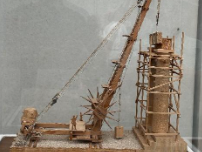
Greek Engineering
This ancient model illustrates the techniques employed in assembling the monumental columns and temples during the height of the Greek Empire. It provides a valuable insight into the construction methods and tools utilized in classical antiquity, shedding light on the advanced engineering capabilities of the period.
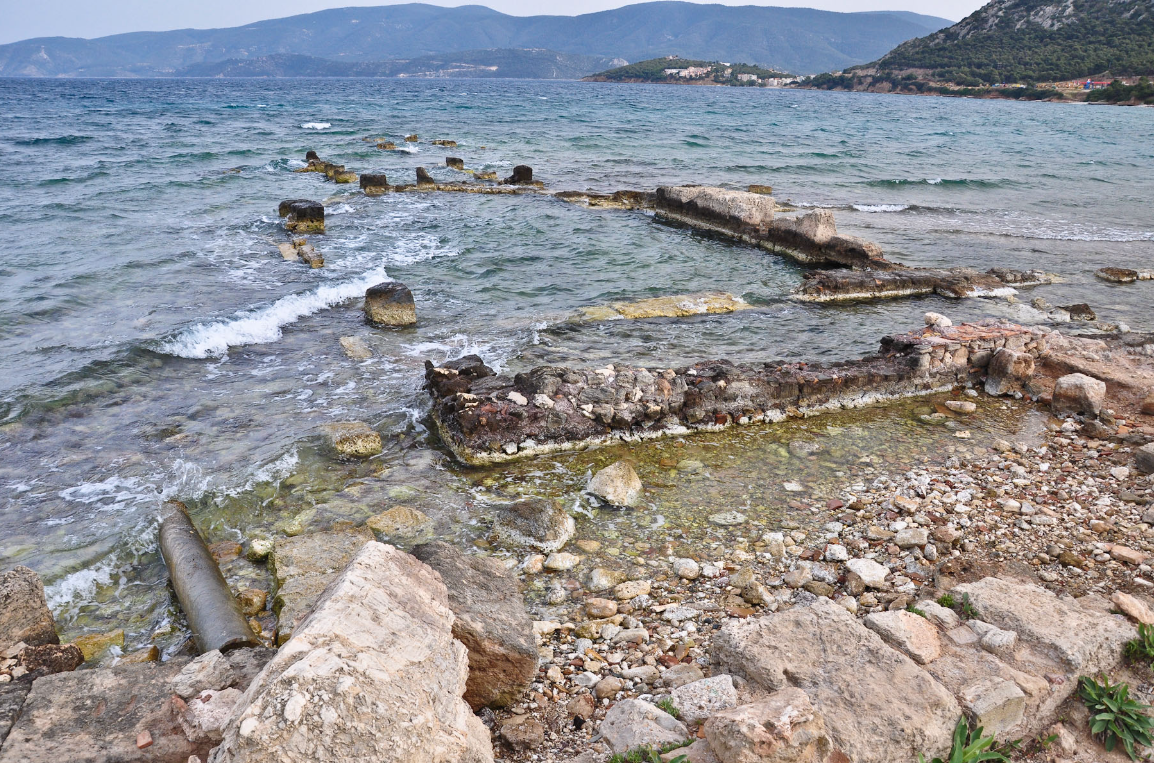
The Greek Port of Cenchrea
Remains of the Greek port of Cenchrea, a location through which Paul would have travelled. “Paul, having remained many days longer, took leave of the brethren and put out to sea for Syria, and with him were Priscilla and Aquila. In Cenchrea he had his hair cut, for he was keeping a vow.” (Acts 18:18)